
What are you reading, Ms Paolocci?
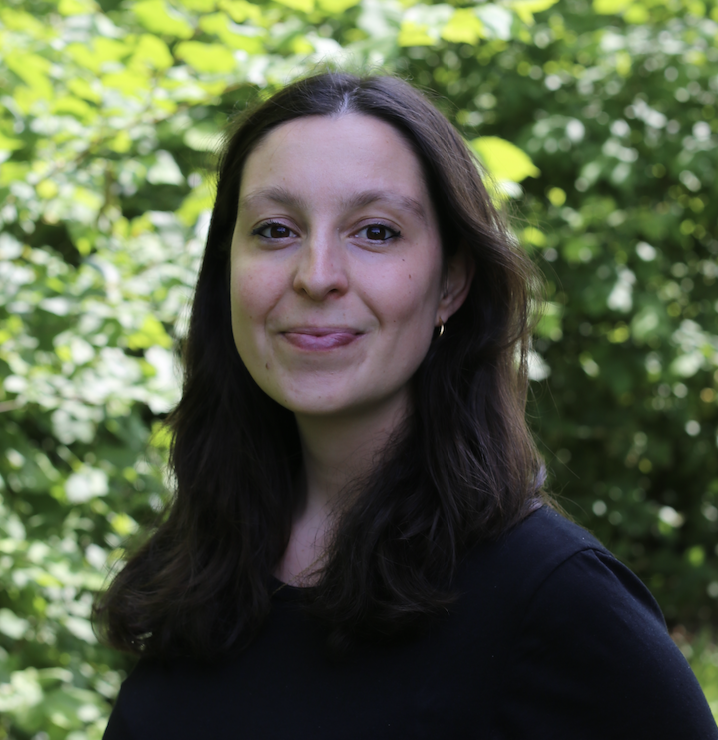
Ester Paolocci is a post doc in the Klussmann lab, where she adapts Fluorescence Resonance Energy Transfer to a high-throughput screening system in an effort to discover a new treatment for severe hypertension. Here, she recommends a memoir about struggles with a deeply flawed father.
I love being a scientist, but I also love writing and reading books! Thanks to the long commute to Buch, I have been doing the latter extensively. All the books I have read so far have been great. However, one stands out: “How to Say Babylon” by Safiya Sinclair. Sinclair, now a successful poet, turns prose into poetry as she narrates her struggles with her father, a washed-up reggae musician and militant Rastafarian, who takes out his frustrations on his family. The novel explores learning to love deeply flawed people while preserving one’s own identity, dreams, and happiness. It also delves into how the Rastafarian religion came about as protest against the Western World and its influence.
Most of my own writing is based on personal stories, so I am partial to memoirs. I did not grow up in Jamaica with a Rastafarian father, yet I can deeply relate to Sinclair’s story. I found catharsis in knowing someone out there could so beautifully put words to tough emotions. I think it would be hard for anyone to read “How to Say Babylon” and not be moved by it.
To convince you to give this memoir a chance, I’ll let Sinclair’s words speak for themselves by finishing with a quote from her book:
“The more of this world I had discovered, the more I rejected the cage my father had built for me. There, in her frayed outline, I saw it, finally: If I were to forge my own path, to be free to make my own version of her, I had to leave this place. If I were to ever break free of this life, I had to run. But how would I ever find my way out? How would I know where to begin? Here, in the same hills that had made my father, now sprung the seed of my own rebellion.”
― Safiya Sinclair: How to Say Babylon: A Memoir. Simon & Schuster, 2023.